When you walk down the pet store aisle, staring at dozens of bags of dog food with buzzwords like “holistic,” “natural,” “premium,” and “grain-free,” it’s easy to feel completely overwhelmed. As pet parents, we want to feed our furry best friends the very best fuel possible, but decoding pet food marketing can feel like trying to decipher a foreign language. Let’s break down how to read dog food labels like a pro so you can choose the best nutrition for your pup.
1. Start with the Ingredient List (The Order Matters!) Just like human food labels, dog food ingredients are listed by weight in descending order—meaning the heaviest ingredients are listed first.
Look for Named Proteins First: You want to see specific animal proteins at the very top of the list (like “Deboned Chicken,” “Lamb,” or “Beef”) rather than vague terms like “meat meal” or “by-products.”
Watch Out for Split Ingredients: Manufacturers sometimes split up grains or legumes (like various types of corn or pea proteins), so they appear lower down on the list, even if there’s actually a large total amount of them in the food.
2. Understanding “Guaranteed Analysis”: The guaranteed analysis panel tells you the minimum and maximum percentages of key nutrients in the food:
Crude Protein: Shows the minimum percentage of protein. Growing puppies and active dogs generally benefit from higher protein percentages.
Crude Fat: Essential for energy and healthy skin/coat.
Crude Fiber & Moisture: High moisture content is typical in wet/canned foods, while dry kibble will have low moisture and higher fiber content for digestion.
3. Life Stage Matters: Puppies vs. Adult Dogs. A puppy’s nutritional needs are vastly different from an adult or senior dog’s needs! Puppies need higher calories, specific calcium-to-phosphorus ratios for bone development, and nutrient-dense ingredients to support their rapid growth phases. Always look for a statement from AAFCO (Association of American Feed Control Officials) ensuring the food is formulated for the correct life stage.
Choosing the right food doesn’t have to be a guessing game once you know what to look for on the back of the bag. What is the most important factor you look for when choosing your dog’s food? Let me know in the comments below!
Crate Training 101: How to Make the Transition Stress-Free for Everyone
If you’ve ever felt like your new puppy looks at a crate like it’s a tiny jail cell, you are definitely not alone. When I first navigated crate training, I worried it was mean or stressful. But the truth is, when done right, a crate becomes a safe, cozy den where your puppy actually wants to rest. Here is how to make the transition smooth, positive, and stress-free for both of you.
1. Make the Crate a Happy Place (Never a Punishment). The golden rule of crate training is that the crate should never, ever be used as a punishment.
Toss high-value treats or feed meals inside the crate with the door wide open so your puppy builds a positive association.
Let them explore it on their own terms during playtime.
2. Introduce the Crate Gradually. Don’t lock your puppy away for hours on day one. Take it step-by-step:
Start by having them hang out inside with the door open while you sit nearby.
Graduate to closing the door for just a few seconds, then a minute, slowly building up the duration as they get comfortable.
3. Keep Your Reactions Calm. Puppies will whine when they are learning boundaries—it’s their way of adjusting.
Wait a brief moment for quiet before letting them out, so they don’t learn that whining means an instant jailbreak.
Keep your voice calm and neutral when putting them in or taking them out so it feels like a normal, routine part of the day.
Crate training takes patience, but it’s one of the best gifts you can give your puppy for their safety and your peace of mind. How did your puppy react to their first crate experience? Let me know below!
Part 2: Decoding Puppy Body Language
Decoding Puppy Body Language: What Is Your Pup Really Trying to Tell You?
Dogs might not speak English, but they are constantly talking to us through their eyes, ears, tails, and posture. Learning to read your puppy’s body language is like unlocking a secret superpower—it helps you prevent accidents, manage over-excitement, and build a deeper bond of trust. Let’s break down some of the most common physical cues!
1. The Tail Tells More Than Just “Happy.” We often assume a wagging tail means a friendly dog, but context is everything:
Loose, sweeping wags usually mean a genuinely happy, relaxed pup.
Stiff, slow wags or a high, rigid tail can signal high arousal, alertness, or that they are feeling defensive.
2. Spotting the Subtle “Calming Signals”: Puppies get overwhelmed easily, and before they bark or snap, they usually give off tiny signals to say, “I need some space.“
Yawning or Lip Licking: If your puppy yawns when they aren’t tired, they are often trying to self-soothe in a stressful moment.
The “Whale Eye”: When you can see the whites of their eyes in a crescent shape, it usually means they are feeling tense or anxious.
3. Play Bows vs. Stress Postures
The Play Bow: Front legs down, rear end up in the air. That’s the universal dog code for “Let’s play!”
Cowering or Freezing: A tucked tail, lowered body, or complete stillness means they need you to slow down and give them a safe space to decompress.
The better you listen to what your puppy is “saying” without words, the stronger your teamwork will be. What is one dog behavior or signal that surprised you the most when you first learned it? Drop a comment below!
If you’ve ever brought home a new puppy, you already know that the first few weeks feel like a joyful, beautiful whirlwind of non-stop coordination. Between remembering when they last went outside, tracking meal times, noting training milestones, and trying to sneak in your own study sessions, it is easy to feel overwhelmed trying to keep everything straight in your head.
That is why I created a tool to save my sanity—and yours! Today, I’m sharing a brand-new Printable Puppy Daily Tracker, completely free for you to download and use on your pet parenting journey.
What’s Included in the Tracker? Designed with the busy pet parent and student in mind, this tracker helps you map out the day at a glance so you never miss a beat:
Potty & Bathroom Log: Track every successful outdoor trip to reinforce your potty-training routine.
Feeding & Medication Schedule: Keep precise notes on meal times, water intake, and any supplements or meds.
Training & Socialization Checkboxes: Jot down today’s focus words (like “sit,” “stay,” or “leave it”) and note short, positive socialization wins.
Daily To-Do & Self-Care Section: Because as pet parents and students, we have to remember to fuel our own brains too!
How to Get Yours: Getting your hands on this free printable is super simple:
Click the download link below [or head over to the Printables Resource Page].
Print out a fresh copy each week (or slip it into a reusable dry-erase sheet protector for daily use!).
Enjoy a calmer, more organized routine with your furry best friend.
Let’s Connect! I would love to know: what is your biggest struggle when trying to keep a new puppy on a schedule? Let me know in the comments below, and don’t forget to subscribe to the blog so you never miss a new resource or tip!
When we think of dog grooming, it’s easy to picture freshly fluffed fur, adorable bows, and a sweet-smelling pup fresh from the salon. While a cute aesthetic is a nice bonus, regular grooming goes far beyond surface-level beauty. It is an absolute cornerstone of your canine companion’s overall health, comfort, and well-being.
Whether you’re brushing your dog at home or scheduling regular professional visits, consistency matters. Here is why making grooming a regular part of your routine is so vital:
1. Early Detection of Health Issues
Grooming sessions are essentially mini health checkups. When you are regularly brushing through fur, checking ears, and trimming nails, you become intimately familiar with your dog’s body. This makes it much easier to spot changes early, such as:
Unexplained lumps, bumps, or skin irritations.
Hidden parasites like fleas or ticks.
Ear infections signaled by redness, foul odors, or excessive head shaking. Catching these issues early can save your dog from discomfort and prevent expensive vet bills down the road.
2. Prevention of Painful Matting
For long-haired or double-coated breeds, matted fur isn’t just an eyesore—it’s dangerous. Severe mats pull tightly against the skin, restricting blood circulation, trapping moisture, and causing painful sores or hot spots. Regular brushing prevents tangles from turning into impenetrable mats that require painful shaving.
3. Healthy Skin and a Lustrous Coat
Brushing stimulates your dog’s skin, distributing natural oils (sebum) throughout their coat. This keeps their fur naturally moisturized, shiny, and strong while removing dead hair, dirt, and dander. It also significantly reduces the amount of stray pet hair floating around your living room!
4. Comfort and Hygiene (Nails, Ears, and Teeth)
Grooming encompasses more than just brushing fur:
Nail Trims: Overgrown nails can alter a dog’s gait, cause joint pain, and easily split or tear. Regular trims keep their paws healthy and comfortable.
Ear Cleaning: Keeping ears clean and dry prevents painful bacterial and yeast infections, especially in floppy-eared breeds.
Dental Hygiene: Many groomers offer teeth brushing, which helps prevent periodontal disease that can impact your dog’s heart, liver, and kidneys.
5. Strengthening the Human-Canine Bond
Dogs thrive on routine and positive reinforcement. When done gently with plenty of praise and treats, grooming becomes a bonding ritual. It builds trust between you and your dog, helping them become more comfortable being handled—which makes veterinary visits much less stressful for everyone.
The Bottom Line
Regular grooming isn’t a luxury; it’s a form of preventative healthcare. By investing a little time each week into brushing, checking, and maintaining your dog’s hygiene, you are investing in a happier, healthier, and longer life for your best friend.
At-Home Maintenance: Essential Brushing Tips
You don’t have to wait for a trip to the salon to keep your dog looking and feeling great. Incorporating short brushing sessions into your weekly routine makes a huge difference. Here are a few tips to do it right:
Know Your Tools: Different coats require different brushes. Slicker brushes work wonders for tangles on medium-to-long coats, while rubber curry brushes are ideal for short-haired breeds to pull away loose dead hairs.
Line Brushing: For longer or thick double coats, don’t just brush the surface hair. Part the hair with one hand and brush from the roots outward in small sections to catch tangles hiding close to the skin.
Keep It Short and Sweet: Aim for a few minutes a few times a week rather than one marathon session. This prevents your dog from getting fidgety or overwhelmed.
Help! My Dog Hates Being Groomed: How to Build Positive Associations
If you have a puppy or a rescue dog who gets nervous, wiggly, or defensive when the brush or nail clippers come out, don’t panic! You can help them learn to love (or at least tolerate) the process using desensitization and counter-conditioning:
Introduce the Tools Without Using Them: Let your dog sniff the brush or clippers. The moment they show curiosity or calmness, reward them with a high-value treat.
The “Touch and Treat” Method: Touch the brush gently to their shoulder, remove it immediately, and hand them a treat. Repeat this in short sessions until they see the tool as a predictor of good things, not scary things.
Progress Slowly: Gradually work your way up to actual brushing, starting with just one or two strokes in a non-sensitive area (like the back or chest) before ending the session on a positive note with praise and treats.
Keep Sessions Stress-Free: If your dog starts pulling away or showing signs of stress (lip-licking, yawning, whale-eyed), take a break. Forcing them through it can break the trust you are trying to build.
The Bottom Line
Regular grooming isn’t a luxury; it’s a form of preventative healthcare and an act of love. By investing a little patience and time into your dog’s grooming routine, you are setting them up for a happier, healthier, and more comfortable life by your side.
At the end of the day, regular grooming is so much more than just a routine chore—it’s an investment in your dog’s overall health, comfort, and happiness. By taking it slow, using positive reinforcement, and turning maintenance into bonding time, you can help your furry best friend feel safe, confident, and loved from head to paw. After all, a well-groomed dog is a healthy dog, and there is nothing better than seeing your companion look and feel their absolute best!
If someone asked me what my biggest dream is, I don’t think I could answer it with just one thing. It’s a collection of dreams that all fit together to create the life I hope to build.
My biggest dream is to create a life where I wake up every morning doing work that truly matters to me. I want to become a veterinary technician and continue learning everything I can about animal health, behavior, and care. Animals have always held a special place in my heart, and helping them live healthier, happier lives is something I feel called to do.
I also dream of growing this blog into a place that genuinely helps people. Whether someone is bringing home their first puppy, looking for training advice, or simply searching for encouragement as a pet owner, I hope they can find something here that makes their journey a little easier. If even one person feels more confident because of something I’ve shared, then this blog is doing exactly what I hoped it would.
Another dream of mine is financial freedom. I want to pay off debt, save for the future, and one day become a homeowner. I know those goals won’t happen overnight, but I’m learning that every small step—every payment, every saved dollar, every new skill—moves me closer to that future.
Most importantly, I dream of building a peaceful life filled with the people and animals I love. A home with happy dogs, meaningful work, continued learning, and the freedom to enjoy life’s simple moments sounds like success to me.
I know there will be setbacks along the way. Dreams take time, patience, and plenty of hard work. But instead of focusing on how far I still have to go, I’m choosing to celebrate each small milestone. Every class I complete, every blog post I publish, and every goal I check off is a reminder that progress is happening.
My biggest dream isn’t just about reaching one destination. It’s about becoming the person who never gives up on what matters most.
What about you? What’s one dream you’re working toward right now? I’d love to hear about it in the comments!
Bringing your puppy home is one of the most exciting moments you’ll ever experience as a dog owner. It’s the beginning of a lifelong friendship, but it can also be overwhelming for both you and your puppy. Everything around them is new- the sights, sounds, smells, and people. Your goal on the first day isn’t to teach your puppy everything. Instead, it’s to help them feel safe, loved, and comfortable in their new home.
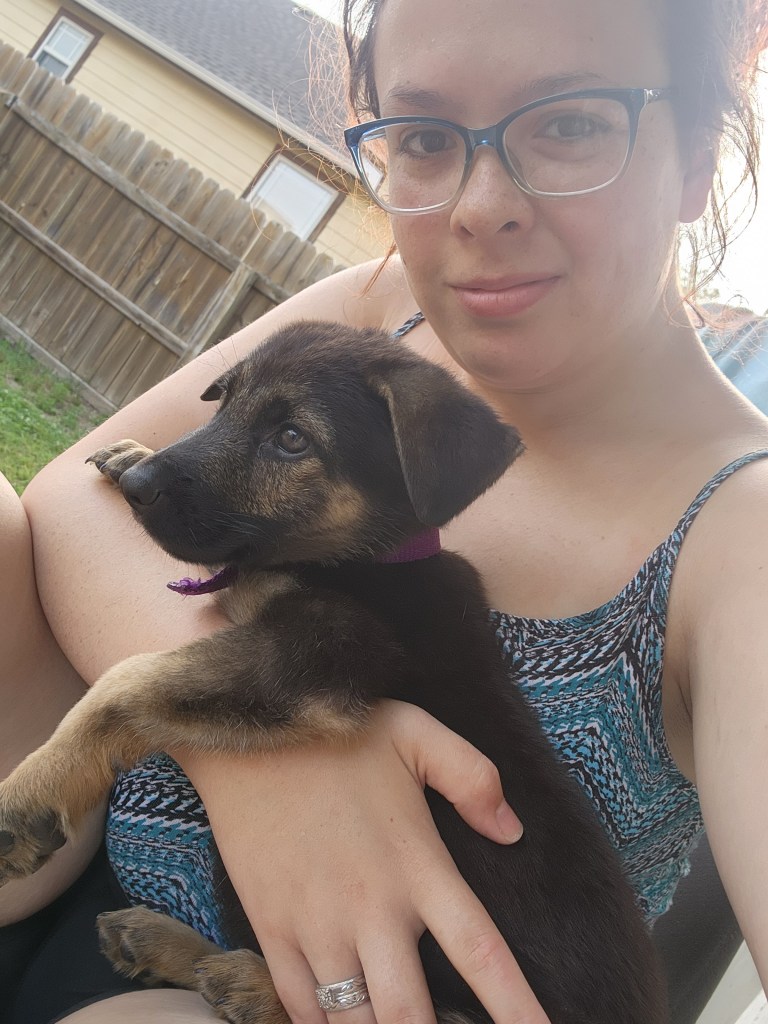
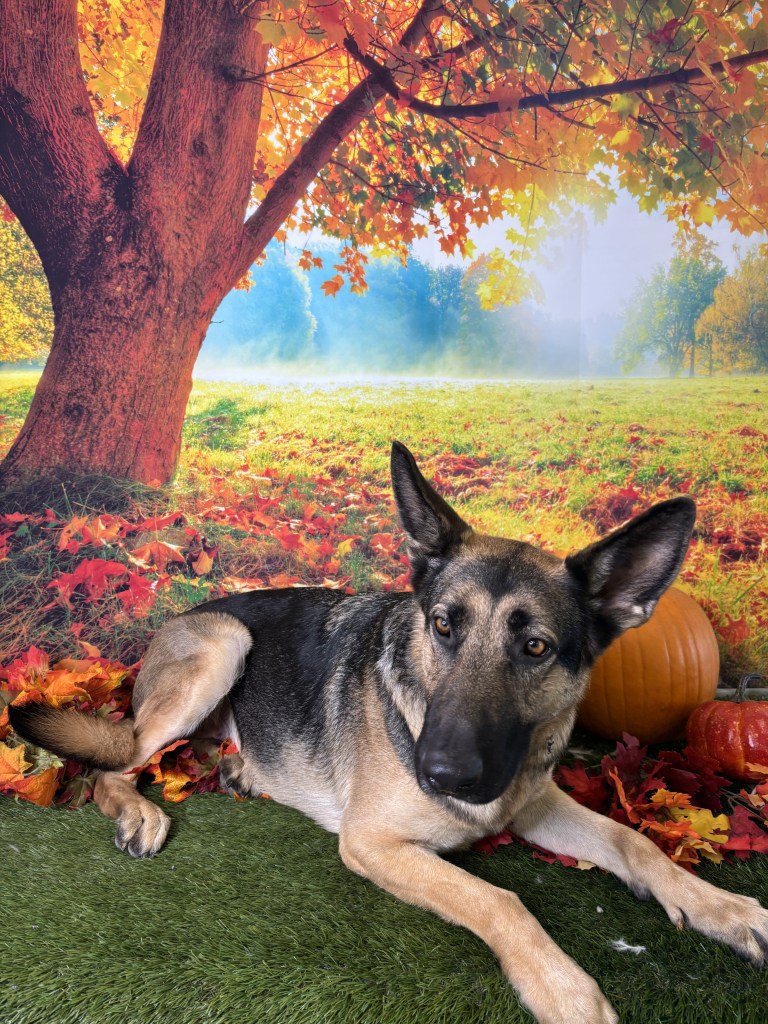
Athena and I 3 years ago
Before You Bring Your Puppy Home
Puppy-Proof your home.
Set up a crate or sleeping area.
Have food, water, toys, a leash, collar, and potty supplies ready.
Decide where your puppy will sleep.
The Car Ride Home
Stay Calm and speak softly
Use a secured crate or puppy seatbelt
Expect nervousness or whining
Bring paper towels just in case of accidents
The First Hour at Home
Let your puppy explore one room at a time.
Introduce family members calmly.
Offer fresh water.
Take them outside immediately to potty.
Feeding Time
Feed the same food the breeder or shelter has been using.
Avoid changing foods right away.
Keep meals small and on a schedule.
First Night
Expect some crying
Keep the crate nearby so your puppy feels secure.
Take them outside if they wake up needing to potty.
Stay Patient___this is a big adjustment.
Completely Normal things
Sleeping a lot
Whinning
Having an accident
Being shy or hiding
Not eating much the first day
Final Thoughts
Remember, your puppy doesn’t need a perfect first day; they need a patient, loving home. Building trust takes time, and every positive interaction helps them feel more secure. The first day is just the beginning of a lifelong friendship. Now, if you don’t think you can fully commit to potty training or crate training for whatever reason, there are ways around this, like seeing if there is a daycare nearby that offers training or a trainer who could help you out.
Common Mistakes to avoid:
Introducing your puppy to everyone on the first day
Letting them roam the whole house immediately
Buying a different puppy food before bringing them home
Skipping potty breaks because they’re excited
Expecting them to sleep through the night
Punishing accidents (Could set you back)
Vet Tech Student Tip:
One thing I’m learning is that puppies thrive on routine. Even on the first day, consistent feeding, potty breaks, and bedtime help them feel more secure in their new environment.
Call to action:
What was your puppy like on their first day home? More Checklists to come. I’d love to hear your story in the comments!!
Everything you need to know before bringing your puppy home and through the first seven days.
The day I brought home my first puppy, I was excited-but I was also nervous. I wondered whether I had everything I needed and was ready for such a big responsibility. I also had no idea where to begin and just went for it blindly. If you’re bringing home a puppy for the first time, you’re probably feeling the same way. This guide will walk you through what to expect during your puppy’s first week.
Before you Bring Your Puppy Home:
Before moving on to Day 1, download my free Puppy Essentials Checklist to make sure you have everything ready before bringing your new best friend home.
After gathering everything on your puppy shopping checklist, take a walk through your home and look at it from your puppy’s perspective. Puppies are curious and love to explore with their mouths, so now is the perfect time to puppy-proof your home. Put away anything you don’t want your puppy chewing on, such as electrical cords, shoes, cleaning supplies, or anything small they could swallow.
Next, decide where your puppy’s space will be. Set up their crate or kennel in a quiet area where they can rest and feel safe. Place their bed, toys, food and water bowls, and a few comfort items nearby. Having everything ready before your puppy comes home will help you both settle into your new routine much more easily.
Vet Tech Tip:
Keep a notebook or use your phone to write down how much your puppy eats, drinks, and goes potty during the first week. These notes can be very helpful if you need to talk with your veterinarian about your puppy’s health or routine.
Set up Your Puppy’s Space:
Before bringing your puppy home, choose a quiet area where they can feel safe and comfortable. This space should include their crate or kennel, a cozy bed or blanket, food and water bowls, and a few toys.
Keeping everything in one place helps your puppy adjust to their new home and gives them a space where they can rest when they feel tired or overwhelmed. As they become more comfortable, they’ll naturally begin exploring the rest of your home.
Pet Student Tip:
Choose a crate that’s the right size for your puppy, or use a divider if they’re still growing. A crate that’s too large can make potty training more difficult.
Your First Vet Visit:
Before your puppy comes home, it’s a good idea to find a veterinarian if you haven’t already. Many clinics book appointments several days in advance, so scheduling early means you’ll have a checkup ready if your puppy needs one. Your veterinarian can answer questions, review vaccination records, and help you create a plan for keeping your puppy healthy.
Pet Student Tip:
Keep your breeder’s or shelter’s paperwork in one folder. Bring vaccination records, medical history, and any questions you have to your puppy’s first appointment.
Get Ready for the First Night
The first night with your puppy may not go exactly as you imagine, and that’s completely normal. Your puppy has just left everything they’ve known, so they may feel nervous, lonely, or confused. Try to stay patient and give them plenty of reassurance.
Have their sleeping area ready with a cozy bed or crate, fresh water, and a favorite toy or blanket if they have one. Stick to a calm evening routine, avoid too much excitement, and give your puppy time to settle in before bedtime.
Pet Student Tip:
Don’t expect a perfect night’s sleep. Many puppies will cry or wake up during the night at first. Staying calm, offering comfort, and taking them outside for potty breaks when needed will help them adjust much faster.
Coming Next: Day 1- Bringing Your Puppy Home
We’ll cover the car ride home, introducing your puppy to their new space, the first potty break, meals, and making their first day as stress-free as possible.
Common Mistakes to Avoid Before Bringing Your Puppy Home:
It’s easy to get caught up in the excitement of bringing home a new puppy, but a little preparation goes a long way. Avoid buying too many toys at first, changing foods immediately, or leaving your puppy alone for long periods on the first day. Keeping things simple and sticking to a routine will help your puppy feel more secure.
Remember, Every Puppy is Different:
Every puppy adjusts at their own pace. Some puppies will walk into their new home full of confidence, while others may be shy or nervous. Don’t compare your puppy to someone else’s. Give them time, be patient, and celebrate the little victories.
Before you leave to Pick Up Your Puppy:
Before heading out, double-check that you have everything you’ll need. Bring a leash, collar, a few paper towels for accidents, a small bowl and water, and any paperwork from the breeder or shelter. If someone is going with you, one person can drive while the other helps keep the puppy calm.
Bringing home a puppy is the beginning of an unforgettable adventure. There will be exciting moments, challenging moments, and plenty of memories along the way. The preparation you do today will make tomorrow much smoother for both you and your new best friend.
Thank you for reading with me! I’d love to hear more from you. Every puppy owner’s journey is different.
What advice would you give someone bringing home their first puppy? Is there a puppy topic you’d like me to cover next? Leave your ideas in the comments-I may feature them in a future article.
When I brought home my first dog, I thought I was prepared. I quickly realized there was so much I didn’t know. If you’re thinking about getting your first dog, I hope these lessons help make your journey a little easier.
Training starts on day one
Good habits are much easier to teach than bad habits are to break
Socialization is just as important as obedience
Safely introducing your puppy to different people, dogs, places, and sounds helps build confidence.
Puppies require a lot of patience.
There will be accidents, chewing, barking, and sleepless nights. That’s all part of the learning process.
Every Dog is different.
Don’t compare your dog to someone else’s. They all learn at their own pace.
Exercise isn’t enough
Dogs also need mental stimulation through training, puzzle toys, sniffing games, and enrichment activities.
Vet Care is an investment
Regular checkups, vaccines, flea and tick prevention, and emergency expenses are all part of responsible pet ownership.
Consistency is everything
Everyone in the household should use the same rules and commands so your dog doesn’t get confused.
Positive reinforcement works
Rewarding good behavior with praise, toys, or treats builds trust and makes learning enjoyable.
Build a routine
Dogs thrive when they know when they’ll eat, go outside, exercise, and rest.
Enjoy every stage
Puppies grow up faster than you think. Take lots of pictures, celebrate the little victories, and enjoy the journey together.
Final Thoughts
Getting my first dog changed my life in the best way. Every lesson taught me to become a better owner, and those experiences inspired me to create The Pet Student Path. I hope these tips help you and your dog build a happy, healthy relationship from the very beginning.
Thanks for reading! If you found this helpful, check out my other articles on:




 The Pet Student Path