Author: Nicolle Wesley

  • The Beginner’s Guide to Dog Nutrition: Reading Pet Food Labels Like a Pro

    The Beginner’s Guide to Dog Nutrition: Reading Pet Food Labels Like a Pro

    When you walk down the pet store aisle, staring at dozens of bags of dog food with buzzwords like “holistic,” “natural,” “premium,” and “grain-free,” it’s easy to feel completely overwhelmed. As pet parents, we want to feed our furry best friends the very best fuel possible, but decoding pet food marketing can feel like trying to decipher a foreign language. Let’s break down how to read dog food labels like a pro so you can choose the best nutrition for your pup.

    1. Start with the Ingredient List (The Order Matters!) Just like human food labels, dog food ingredients are listed by weight in descending order—meaning the heaviest ingredients are listed first.

    • Look for Named Proteins First: You want to see specific animal proteins at the very top of the list (like “Deboned Chicken,” “Lamb,” or “Beef”) rather than vague terms like “meat meal” or “by-products.”
    • Watch Out for Split Ingredients: Manufacturers sometimes split up grains or legumes (like various types of corn or pea proteins), so they appear lower down on the list, even if there’s actually a large total amount of them in the food.

    2. Understanding “Guaranteed Analysis”: The guaranteed analysis panel tells you the minimum and maximum percentages of key nutrients in the food:

    • Crude Protein: Shows the minimum percentage of protein. Growing puppies and active dogs generally benefit from higher protein percentages.
    • Crude Fat: Essential for energy and healthy skin/coat.
    • Crude Fiber & Moisture: High moisture content is typical in wet/canned foods, while dry kibble will have low moisture and higher fiber content for digestion.

    3. Life Stage Matters: Puppies vs. Adult Dogs. A puppy’s nutritional needs are vastly different from an adult or senior dog’s needs! Puppies need higher calories, specific calcium-to-phosphorus ratios for bone development, and nutrient-dense ingredients to support their rapid growth phases. Always look for a statement from AAFCO (Association of American Feed Control Officials) ensuring the food is formulated for the correct life stage.

    Choosing the right food doesn’t have to be a guessing game once you know what to look for on the back of the bag. What is the most important factor you look for when choosing your dog’s food? Let me know in the comments below!

  • Knowing Your Puppy & Understanding Them

    Knowing Your Puppy & Understanding Them

    Part 1: Crate Training 101

    Crate Training 101: How to Make the Transition Stress-Free for Everyone

    If you’ve ever felt like your new puppy looks at a crate like it’s a tiny jail cell, you are definitely not alone. When I first navigated crate training, I worried it was mean or stressful. But the truth is, when done right, a crate becomes a safe, cozy den where your puppy actually wants to rest. Here is how to make the transition smooth, positive, and stress-free for both of you.

    1. Make the Crate a Happy Place (Never a Punishment). The golden rule of crate training is that the crate should never, ever be used as a punishment.

    • Toss high-value treats or feed meals inside the crate with the door wide open so your puppy builds a positive association.
    • Let them explore it on their own terms during playtime.

    2. Introduce the Crate Gradually. Don’t lock your puppy away for hours on day one. Take it step-by-step:

    • Start by having them hang out inside with the door open while you sit nearby.
    • Graduate to closing the door for just a few seconds, then a minute, slowly building up the duration as they get comfortable.

    3. Keep Your Reactions Calm. Puppies will whine when they are learning boundaries—it’s their way of adjusting.

    • Wait a brief moment for quiet before letting them out, so they don’t learn that whining means an instant jailbreak.
    • Keep your voice calm and neutral when putting them in or taking them out so it feels like a normal, routine part of the day.

    Crate training takes patience, but it’s one of the best gifts you can give your puppy for their safety and your peace of mind. How did your puppy react to their first crate experience? Let me know below!

    Part 2: Decoding Puppy Body Language

    Decoding Puppy Body Language: What Is Your Pup Really Trying to Tell You?

    Dogs might not speak English, but they are constantly talking to us through their eyes, ears, tails, and posture. Learning to read your puppy’s body language is like unlocking a secret superpower—it helps you prevent accidents, manage over-excitement, and build a deeper bond of trust. Let’s break down some of the most common physical cues!

    1. The Tail Tells More Than Just “Happy.” We often assume a wagging tail means a friendly dog, but context is everything:

    • Loose, sweeping wags usually mean a genuinely happy, relaxed pup.
    • Stiff, slow wags or a high, rigid tail can signal high arousal, alertness, or that they are feeling defensive.

    2. Spotting the Subtle “Calming Signals”: Puppies get overwhelmed easily, and before they bark or snap, they usually give off tiny signals to say, “I need some space.“

    • Yawning or Lip Licking: If your puppy yawns when they aren’t tired, they are often trying to self-soothe in a stressful moment.
    • The “Whale Eye”: When you can see the whites of their eyes in a crescent shape, it usually means they are feeling tense or anxious.

    3. Play Bows vs. Stress Postures

    • The Play Bow: Front legs down, rear end up in the air. That’s the universal dog code for “Let’s play!”
    • Cowering or Freezing: A tucked tail, lowered body, or complete stillness means they need you to slow down and give them a safe space to decompress.

    The better you listen to what your puppy is “saying” without words, the stronger your teamwork will be. What is one dog behavior or signal that surprised you the most when you first learned it? Drop a comment below!

  • Printable Puppy Tracker: Free Resource Download

    Printable Puppy Tracker: Free Resource Download

    If you’ve ever brought home a new puppy, you already know that the first few weeks feel like a joyful, beautiful whirlwind of non-stop coordination. Between remembering when they last went outside, tracking meal times, noting training milestones, and trying to sneak in your own study sessions, it is easy to feel overwhelmed trying to keep everything straight in your head.

    That is why I created a tool to save my sanity—and yours! Today, I’m sharing a brand-new Printable Puppy Daily Tracker, completely free for you to download and use on your pet parenting journey.

    What’s Included in the Tracker? Designed with the busy pet parent and student in mind, this tracker helps you map out the day at a glance so you never miss a beat:

    • Potty & Bathroom Log: Track every successful outdoor trip to reinforce your potty-training routine.
    • Feeding & Medication Schedule: Keep precise notes on meal times, water intake, and any supplements or meds.
    • Training & Socialization Checkboxes: Jot down today’s focus words (like “sit,” “stay,” or “leave it”) and note short, positive socialization wins.
    • Daily To-Do & Self-Care Section: Because as pet parents and students, we have to remember to fuel our own brains too!

    How to Get Yours: Getting your hands on this free printable is super simple:

    1. Click the download link below [or head over to the Printables Resource Page].
    2. Print out a fresh copy each week (or slip it into a reusable dry-erase sheet protector for daily use!).
    3. Enjoy a calmer, more organized routine with your furry best friend.

    Let’s Connect! I would love to know: what is your biggest struggle when trying to keep a new puppy on a schedule? Let me know in the comments below, and don’t forget to subscribe to the blog so you never miss a new resource or tip!

  • Balancing College Courses and Pet Parenting While Being Married: How I Stay Organized.

    Balancing College Courses and Pet Parenting While Being Married: How I Stay Organized.

    Let’s be honest: juggling a heavy college course load while giving a pet the time, love, and attention they deserve can sometimes feel like trying to solve a calculus problem written in a foreign language. Between reading assignments, research papers, study sessions, and remembering that a puppy or dog needs constant care, life gets busy fast. But over time, I’ve learned that it is entirely possible to succeed in school and be an amazing pet parent without losing your sanity. Here is how I keep my life organized and balanced.

    1. Create a Unified Routine (and Stick to It As Much As Possible). Dogs thrive on routine, and honestly, as a student, I do too! Aligning your schedule with your pet’s needs makes everything run smoother.

    Study Blocks: When it’s time to hit the books, I try to use the Pomodoro technique (studying hard for 25–50 minutes, then taking a 10-minute break to play fetch or let my dog stretch their legs). It keeps my mind sharp and keeps my pet happy!

    Morning Power Hour: I wake up a bit early to knock out a quick study review or check course updates while my dog gets their morning potty break and breakfast.

    2. Leverage the Power of Planners and Digital Trackers. You can’t keep everything in your head. Whether you’re a fan of physical bullet journals, color-coded Google Calendars, or printable daily checklists, write it all down.

    • I map out my weekly assignment deadlines alongside my pet’s routine needs (like grooming days, training windows, and feeding schedules) in one place. Seeing it visually prevents double-booking your time and helps you spot pockets of free time.

    3. Quality Over Quantity with Training and Attention: You don’t need to spend five hours a day training your dog or studying all night to make progress. Consistency beats marathon sessions every single time.

    • Five to ten minutes of focused obedience training or a quick interactive puzzle toy can tire out a dog’s brain just as effectively as a massive hike, leaving you plenty of uninterrupted hours to knock out your homework.

    4. Give Yourself Grace. Some weeks, a major research paper will take center stage, and other weeks, your pet might need extra attention. And that is okay! Balance isn’t about everything being equal every single day; it’s about adjusting the scales when you need to.

    Being a “pet student” is a unique journey, but the discipline we learn from managing both school and pet care makes us stronger overall. How do you manage your busy schedule while keeping your furry best friend happy? Let me know in the comments below!

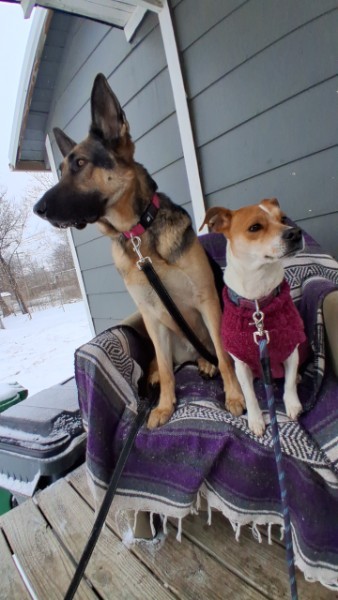
    Creating this routine for myself and Athena has helped us a lot. Also took a lot of stress off. It helped me manage my grades and bring my GPA up.

  • Growing Up with Animals: The Childhood Memories That Shaped My Path

    Growing Up with Animals: The Childhood Memories That Shaped My Path

    We all have those core childhood memories that quietly dictate who we become as adults. For some, it’s building forts in the woods; for others, it’s baking cookies in the kitchen. But for me? My earliest and fondest memories are all about animals. Growing up alongside a loyal Red Heeler dog and a horse completely shaped how I view the world—and planted the very first seeds for The Pet Student Path.

    The Unshakable Bond of a Childhood Dog. If you’ve ever loved a Red Heeler, you know they aren’t just pets—they are brilliant, high-energy shadows that stick by your side through thick and thin.

    • Growing up with a working breed taught me responsibility before I even knew what the word meant.
    • They don’t care about a bad day at school or a tough exam; they just want to run, play, and be your most loyal confidant. That kind of unconditional support is something every kid (and every stressed-out college student!) deserves to experience.

    Lessons from the Barn: Sharing part of my childhood with a horse taught me a totally different kind of patience and communication. Horses don’t speak human words, but they read your energy instantly. If you’re nervous, they’re nervous. If you’re calm and grounded, they settle down right beside you. Learning how to match that energy and build trust with an animal ten times my size taught me confidence and emotional maturity that I still lean on today.

    Why It All Matters Now: Looking back, it makes total sense why I ended up pursuing both my education and a life deeply rooted in animal care. Those early days taught me empathy, discipline, and the pure joy of caring for another living creature.

    Our childhood pets and animals leave paw prints (and hoof prints!) on our hearts forever. What was your very first pet or animal memory growing up? Let me know in the comments below!

  • When Did That Happen? The Exact Moment I Realized I Was Officially an Adult

    When Did That Happen? The Exact Moment I Realized I Was Officially an Adult

    Daily writing prompt
    What’s a moment when you realized you were officially an adult?

    The moment I realized I was officially an adult was when I had to live on my own and pay bills without the help of my family at the age of 19 years old, right after I graduated high school. My family didn’t want to help me anymore.

    The Reality Check of Living on Your Own

    Well, my reality check was probably a lot more stressful than the average person’s. Trying to figure out how to get my driver’s license, a car, a job, a phone, and a place to live all in one go. See, my parents were old school, and when my stepmother couldn’t get along with me, I decided to walk away because I had enough. I decided to work hard every day.

    Finding Strength in the Hardest Lessons

    Going through life’s toughest lessons as a human, especially a woman. I found out real quick what family and friends really meant. Even what blood family really meant. That is when I made a promise to myself that I would never go back or walk the same path I did back then.

    Building a Life on Your Own Terms

    The life I have built on my own with my two hands that I am still being built. Is another part of the reason I started this blog, not just cause I love helping people and helping animals, while giving them a voice. Although I am still learning and building, I have a better outlook on life with a new family and friends who show their love, support, and care in my life.

    Let’s Chat in the Comments!

    • Call to Action: Adulthood hits everyone differently. What was the exact moment you realized you were officially on your own? Drop your story in the comments below—I’d love to read them!

    Leave a Reply

  • Puppy Prep 101: The Ultimate Supply Checklist & Recommended Gear

    Puppy Prep 101: The Ultimate Supply Checklist & Recommended Gear

    Welcome to Puppy Prep 101! 🐾

    Hi everyone, I’m Haleigh (or Nicolle!), and whether you’re anxiously awaiting a new furry family member or already knee-deep in puppy chewing phases, bringing a new pup home is an unforgettable journey. As I navigate my studies and share my tips here on The Pet Student Path, I wanted to put together the ultimate guide to help make your transition as smooth (and stress-free) as possible.

    Below, you’ll find everything you need to get your home fully prepped. To help make your shopping a breeze, I’ve rounded up my absolute favorite essentials with options from both Amazon and Chewy so you can pick your go-to retailer!

    Disclosure: This post contains affiliate links. If you make a purchase through these links, I may earn a small commission at no extra cost to you!

    Feeding & Hydration Essentials

    Proper nutrition and easy-to-clean bowls make mealtime a breeze and keep your puppy healthy as they grow. These items are rated at 4.6 or higher; they are also the ones that I chose to have for my puppies.

    Stainless Steel or Ceramic Bowls

    • Why we love them: Unlike plastic bowls, these don’t hold onto bacteria; they are super easy to sanitize, and they can’t be chewed up by a teething pup.

    High-Quality Puppy Food Formula

    • Why we love them: Growing puppies need specialized nutrition packed with extra calories, protein, and DHA for brain and eye development. (Always consult your vet on the best specific brand for your pup’s breed size!)

    No-Spill Water Mat or Silicone Tray

    • Why we love them: Puppies are notorious for splashing water everywhere when they drink. A waterproof silicone mat under their bowls saves your floors from daily puddles.

    The Basics & Safety

    Before your puppy even sets foot in the house, you’ll want to have these safety essentials ready for walks and identification. Especially when you drop your fur baby off at daycare. These items are rated at 4.6 or higher; they are also the ones that I chose to have for my puppies.

    • Adjustable Nylon Collar & Quick ID Tag
      • Why we love it: Puppies grow amazingly fast, so a lightweight, fully adjustable collar is a must-have for those first few months. Don’t forget to attach a lightweight tag with your phone number right away!
    • Standard 6-Foot Training Leash
      • Why we love it: Skip the retractable leashes while training! A classic, sturdy 6-foot nylon or leather leash gives you the best control and helps teach your puppy proper leash manners from the start.
    • Portable Travel Water Bottle & Bowl
      • Why we love it: Perfect for early socialization, vet trips, or walks around the neighborhood when your puppy needs a quick hydration break on the go.

    Potty Training Essentials

    Potty training definitely takes patience, but having the right clean-up tools and aids on hand makes the process infinitely easier. These items are rated at 4.6 or higher; they are also the ones that I chose to have for my puppies.

    • Enzymatic Cleaning Spray (An Absolute Lifesaver!)
      • Why we love it: Traditional household cleaners mask pet odors, but enzymatic formulas actually break down the proteins in pet messes so puppies aren’t tempted to re-sofa the same spot.
    • Washable or Disposable Puppy Pads
      • Why we love them: Great for apartment living, crate training backups, or middle-of-the-night accidents while your pup is still learning bladder control.
    • Waste Disposal Bags & Dispenser
      • Why we love them: A sturdy, clip-on bag dispenser ensures you’re always prepared for walks right from day one.

    Crate & Sleep

    Having a safe, cozy den makes crate training much smoother and helps your puppy learn to settle down for a good night’s rest.These items are rated at 4.6 or higher; they are also the ones that I chose to have for my puppies.

    • A Properly Sized Wire Crate (with Divider Panel)
      • Why we love it: Look for a crate that comes with a divider panel so you can adjust the space as your puppy grows. It should just be big enough for them to stand up, turn around, and lie down comfortably.
    • Cozy Washable Bedding or Crate Mat
      • Why we love it: Accidents happen when they’re young, so having a supportive, easy-to-wash mat or pad that fits right inside the crate is essential. I will put a second link here to both Amazon and Chewy for a cooling pad that will be beneficial to you and your puppy in the summer.
    • Comforting Snuggle Puppy / Plush Toy
      • Why we love it: These comforting toys often feature a pulsing heartbeat or heat pack to help soothe puppies during their first few lonely nights away from their littermates. Now I also get toys from Walmart or Atwoods, in bulk items or boxes.

    Grooming & Care

    Getting your puppy used to grooming tools early on turns nail trims and brush sessions into a stress-free bonding routine. These items are rated at 4.6 or higher; they are also the ones that I chose to have for my puppies.

    • Gentle Tearless Puppy Shampoo
      • Why we love it: Puppies get into everything! A mild, soap-free formula is gentle on their sensitive skin and won’t dry out their coat.
    • Soft-Bristle Brush & Comb Combo
      • Why we love it: Great for getting them used to the sensation of being brushed without pulling on their soft puppy fur.
    • Puppy Nail Clippers or Grinder
      • Why we love it: Introducing the clippers (even if you just touch them to their paws with lots of treats at first) when they are tiny makes adult nail trims a total breeze. I will put a second one here, from the one above, with the kit.

    🐾🐾🐾🐾🐾🐾🐾🐾🐾🐾🐾🐾🐾🐾🐾

    More coming soon, along with Chewy links.

  • Day 1: Why Did You Fall in Love with Animals? 🐾

    Day 1: Why Did You Fall in Love with Animals? 🐾

    Welcome to Day 1 of Daily Writing Prompts!

    Hi everyone, I’m Haleigh Nicolle Wesley (you can call me Haleigh or Nicolle!), and I am so excited to kick off our very first daily writing prompt here on The Pet Student Path.

    As I navigate my journey as a future veterinary technician and pet care enthusiast, I’ve realized how powerful it is to pause, reflect, and share our stories. Every animal lover has a defining moment—a specific memory, a special pet, or a unique experience that sparked their lifelong passion for animals.


    Today’s Prompt:

    “Think back to the very first animal that truly captured your heart. What is your favorite memory with them, and how did they shape who you are today?”


    My Take:

    The first animals that captured my eye and inspired me were a horse and a red healer. The horse had a mind of his own, still does, growing up, and the red healer had nine lives. They made everything better when everything wasn’t going right as a child. They showed me there’s more to owning an animal than just that.


    Your Turn!

    Grab your notebook, open a fresh document, or drop your answer in the comments below! I would love to read your stories.

    Hurry, grab your pen and get writing—and make sure to check back tomorrow for a brand new prompt! 🐾

    Leave a Reply

  • The Ultimate Puppy Potty Training Schedule & Guide

    The Ultimate Puppy Potty Training Schedule & Guide

    Free Printable Tracker!!

    Bringing home a new puppy is exciting, but potty training can sometimes feel like one of the hardest parts of being a new puppy parent. Between accidents, figuring out when your puppy needs to go, and trying to establish a routine, it can be a lot to keep up with.

    The good news? Puppies learn through consistency and repetition. Having a simple schedule can make the process much easier for both you and your puppy.

    In this guide, we’re going to go over when your puppy should go outside, what to do when accidents happen, how to build a routine, and a simple potty-training schedule you can actually follow.

    Take your puppy out:

    • First thing in the morning
    • After eating
    • After drinking a lot of water
    • After naps
    • After playing
    • Before bedtime
    • When you notice signs they need to go

    Just like toddlers, young puppies literally lack the physical bladder capacity and muscle control to “hold it” for long stretches, no matter how badly they want to please you.

    Because of that biological reality, a reliable schedule is an absolute game-changer for potty training. It takes the guesswork out of the process for both of you and helps prevent accidents before they happen.

    For example:

    TimeWhat to Do
    6:30 AMWake up → potty outside
    7:00 AMBreakfast → potty afterward
    8:00 AMPotty break
    10:00 AMPotty break
    12:00 PMLunch → potty afterward
    2:00 PMPotty break
    4:00 PMPotty break/playtime
    6:00 PMDinner → potty afterward
    7:00 PMPotty break
    9:00 PMFinal potty break
    10:00 PMBedtime

    This is only a starting point. Every puppy is different. Younger puppies may need to go out more frequently, while older puppies can gradually hold it longer.

    🚨 Signs Your Puppy Needs to Go

    Your puppy might:

    • Sniff the floor
    • Circle around
    • Wander away from the room
    • Become restless
    • Whine or pace
    • Head toward the door
    • Suddenly stop playing

    When you notice these signs, take them outside right away.

    Potty → praise → reward → back inside

    Keep the praise calm and immediate so the puppy connects the reward with the behavior.

    💩 What If Your Puppy Has an Accident?

    Don’t shame or punish the puppy.

    Instead:

    1. Calmly interrupt if you catch them in the act.
    2. Take them outside.
    3. Clean the area thoroughly.
    4. Pay attention to what happened right before the accident.
    5. Adjust your schedule if necessary.

    An accident doesn’t mean your puppy is failing. It means they’re still learning.

    🐾 Puppy Potty Training by Age

    8–10 weeks:
    Very frequent potty trips and lots of supervision.

    10–12 weeks:
    Continue frequent trips while beginning to recognize patterns.

    3–4 months:
    Your puppy may gradually be able to wait longer between bathroom breaks.

    4–6 months:
    Continue reinforcing the routine and rewarding successful potty trips.

    When teaching a puppy how to go outside, you can’t rely on age alone because every dog develops at their own unique pace. Several key variables shift how often a puppy actually needs to empty their bladder:

    • Breed and Size: Tiny breeds like Chihuahuas or Yorkshire Terriers have remarkably small bladders and lightning-fast metabolisms compared to larger breeds like Labs or German Shepherds. Small dogs physically need to go out much more frequently.
    • Individual Development: Just like human toddlers, some puppies mature faster physically and neurologically than others, meaning bladder control clicks for them sooner.
    • Health and Hydration: Active, playful pups who drink a lot of water throughout the day will need to relieve themselves much more often than a quieter pup. Additionally, medical factors like a minor urinary tract infection can cause sudden urgency.
    • Routine Consistency: A structured schedule—taking them out immediately after waking up, right after eating or drinking, and following intense play sessions—teaches their body a predictable rhythm and drastically reduces indoor accidents.

    7 Day Potty Training Routine

    Day 1: Establish the schedule
    Day 2: Watch for potty signals
    Day 3: Practice going to the same potty area
    Day 4: Reinforce successful trips
    Day 5: Reduce unnecessary distractions
    Day 6: Practice consistency
    Day 7: Review what is working

    Bringing home a puppy involves more than just potty training! If you’re preparing for your first puppy, check out my guide on

    Still getting through those first few days? Check out- for more tips.

    🐾 Want to make potty training easier?

    I’ve created a printable Puppy Potty Training Schedule to help you keep track of potty breaks, accidents, meals, and progress.

    🐾 You’ve Got This, Puppy Parent!

    Potty training a puppy can definitely take patience, consistency, and a little trial and error, but you don’t have to figure it all out at once. Every puppy learns at their own pace, and accidents are a normal part of the process.

    The most important thing is to create a routine your puppy can understand, pay attention to their potty signals, celebrate their successes, and stay consistent. Before you know it, those frequent trips outside will become part of your puppy’s everyday routine.

    Remember, potty training isn’t about being perfect—it’s about making progress one day at a time. 💕 Keep your expectations realistic, be patient with your puppy, and don’t get discouraged by the occasional accident.

    🐶 Ready to Make Potty Training Easier?

    Don’t forget to grab your FREE Puppy Potty Training Printable! Use the daily schedule and 7-day progress tracker to keep track of potty breaks, successes, accidents, and your puppy’s progress.

    And if you’re getting ready for a new puppy, be sure to check out my other puppy-care guides for more tips to help you feel prepared for every step of the journey.

    Happy training, and remember: small steps today can lead to big progress tomorrow! 🐾

  • Athena: The Dog Who Inspired My Journey

    Athena: The Dog Who Inspired My Journey

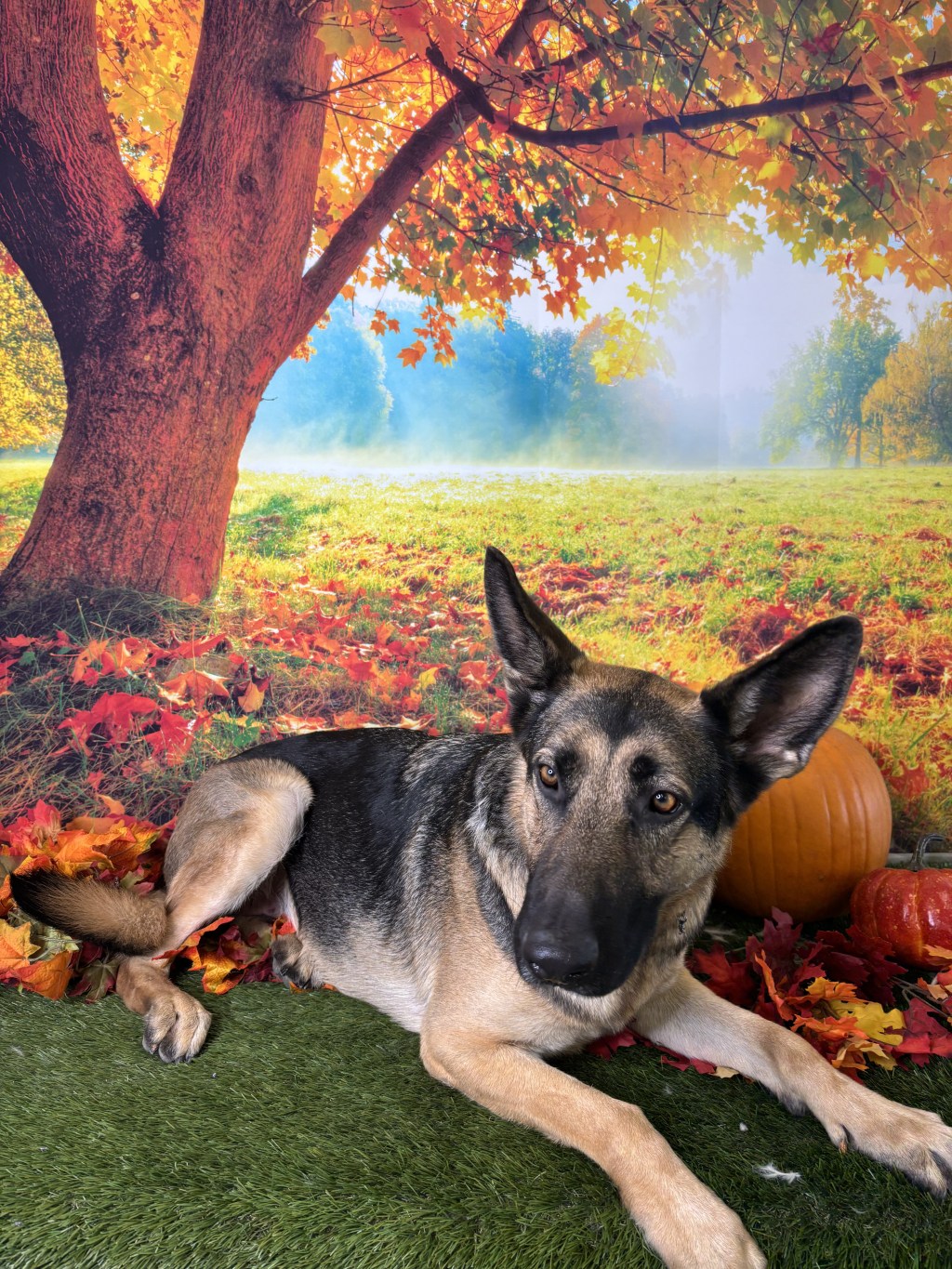
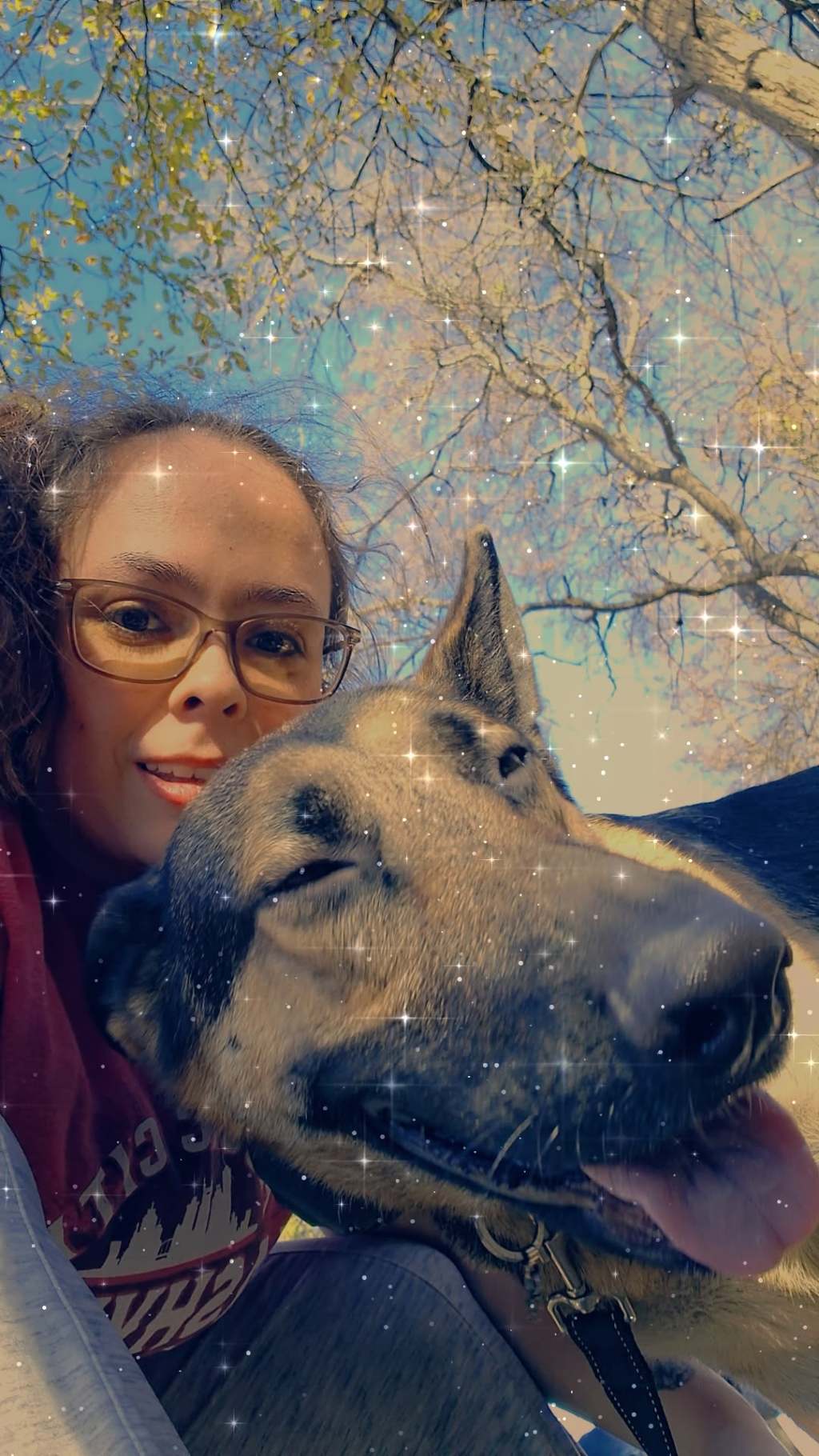
    All my life, I have grown up around animals, and I have loved every single one of them. Animals have always been a big part of my life, but dogs have always had a special place in my heart. I love their personalities, their loyalty, their goofy little habits, and especially the bond they can build with the people who care for them.

    For me, loving dogs isn’t just about having a dog as a pet. I have always been fascinated by how they think, how they communicate, and how much they can teach us when we take the time to understand them.

    Then Athena Came Along

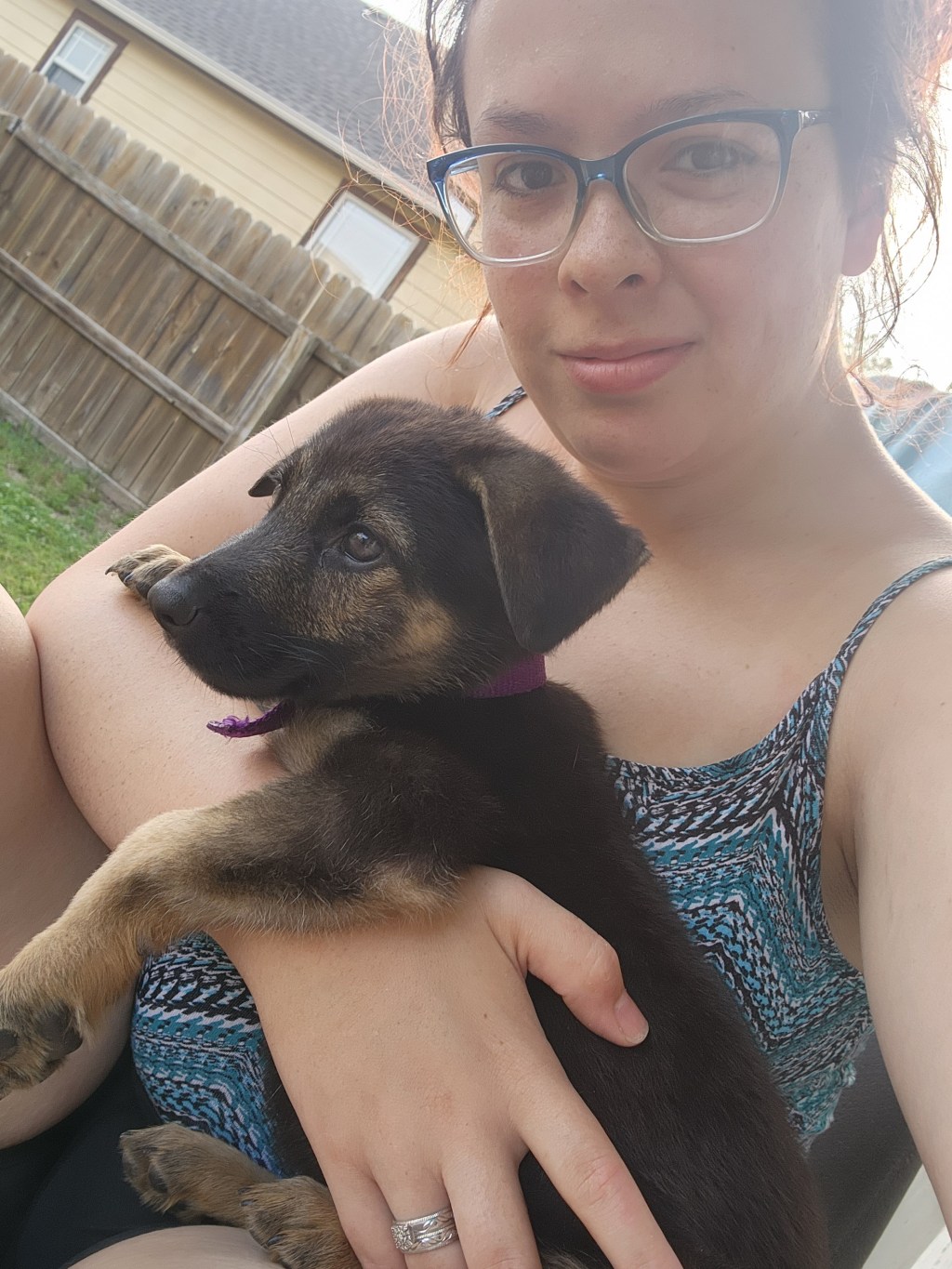
    I have had Athena since she was a puppy, but my connection with her actually started before she was even born.

    I knew her parents and had spent time playing with them. I remember thinking about how incredible their temperaments were. They were loving, sweet, and had such wonderful personalities. I never knew at the time that one day I would have one of their puppies and that she would become such an important part of my life.

    Then Athena came along.

    She was a blessing that I was lucky enough to have.

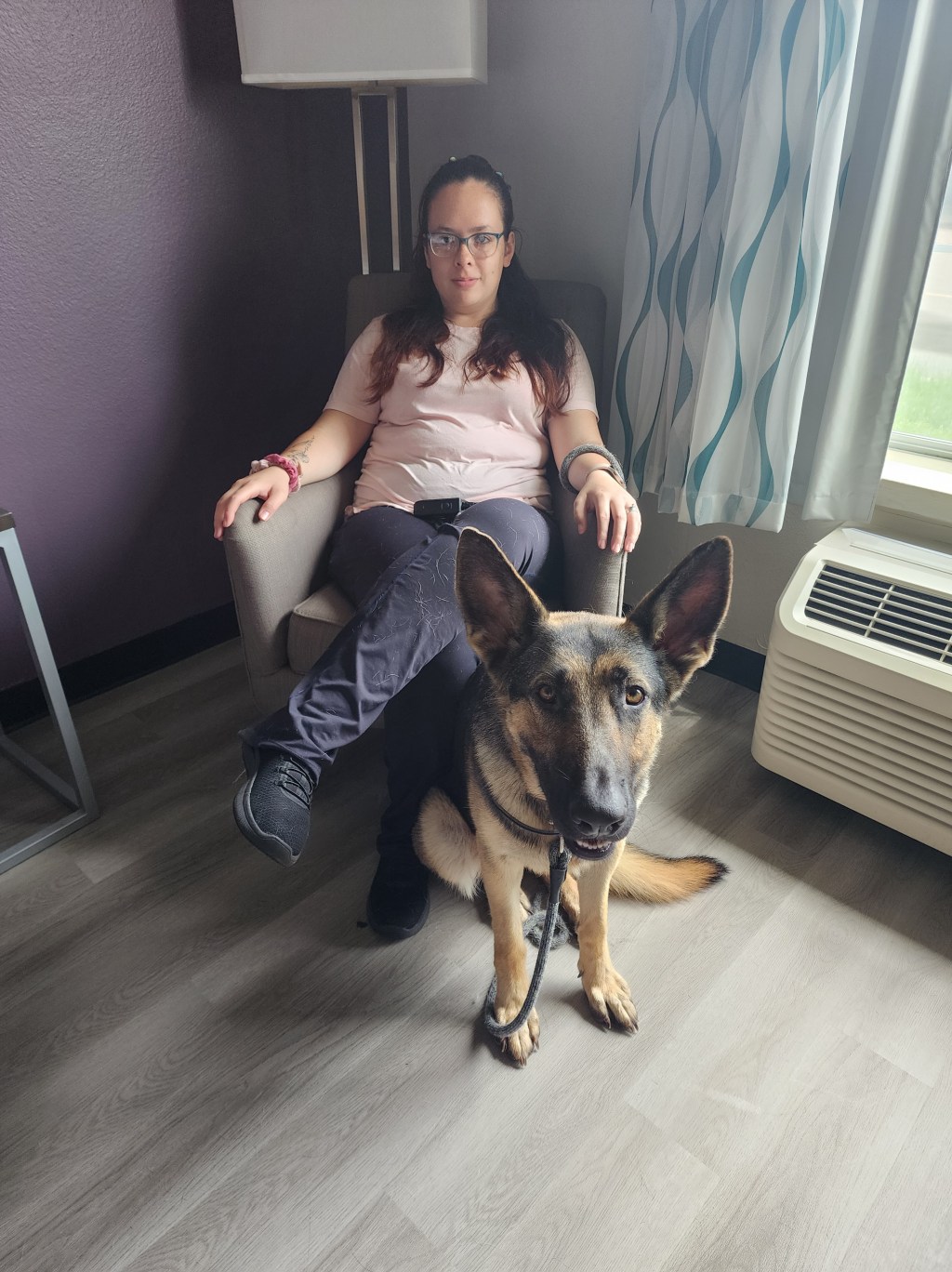
    From the very first day, Athena and I have been bonding and learning about each other. I was learning how to understand her, and she was learning how to understand me. As she grew, I started noticing her individual personality, the things she liked, the things she didn’t like, and the little ways she communicated with me.

    Having her from puppyhood has allowed me to experience so many different stages of a dog’s life.

    I’ve watched her learn.

    I’ve watched her grow.

    I’ve watched her develop her own personality.

    And I’ve learned right alongside her.

    What Athena Has Taught Me

    Athena has taught me that training a dog isn’t simply about teaching commands.

    It’s about communication.

    It’s about patience.

    It’s about building trust.

    And sometimes, it’s about learning that your dog is trying to tell you something even when they can’t use words.

    There have been moments when I’ve had to step back and ask myself, “What is Athena trying to tell me?”

    That question has helped me look at dogs differently.

    Instead of only thinking about what I want a dog to do, I’ve started thinking more about why a dog might be behaving a certain way.

    That is one of the reasons my interest in dog training has continued to grow.

    I want to learn more—not just so I can train Athena, but so I can better understand dogs in general and hopefully help other dogs and their owners build stronger relationships.

    From One Puppy to a Bigger Dream

    My experiences with Athena have also made me think about how overwhelming bringing home a puppy can be.

    There is so much to learn when you bring a new puppy home. Potty training, feeding schedules, socialization, basic commands, puppy-proofing your home, establishing routines, and simply figuring out what your puppy needs can feel like a lot.

    That’s actually something I talked about in my blog post about bringing your puppy home for the first time.

    If you’re preparing to bring home a puppy, you can check out my post, “Day 1: Bringing Your Puppy Home,” where I go through some of the things new puppy owners should think about during those first days.

    I also created a Puppy Homecoming Checklist to go along with it, because sometimes having everything written down makes those first few days a little less overwhelming.

    You can use the checklist to help prepare your home and make sure you aren’t forgetting some of those important puppy essentials.

    Why I’m Sharing Athena’s Story

    Athena isn’t just a dog in my life.

    She’s part of the reason I became interested in learning more about animals and dog training.

    She has given me the opportunity to learn through real experiences, and I’m still learning every day.

    I don’t consider myself someone who knows everything about dogs—and I don’t think anyone ever truly stops learning. Every dog is different. Every personality is different. Every situation is different.

    That’s one of the things I love about working with animals.

    There is always something new to learn.

    As I continue my own journey with dogs, I want to share what I learn along the way. From puppy care and training to understanding dog behavior and building a stronger relationship with your dog, I hope this blog can become a place where other dog lovers can learn alongside me.

    And maybe, just like Athena inspired me, something you read here will inspire you and your dog too.

    Because sometimes, the dog you bring home doesn’t just become your pet.

    Sometimes, they become the beginning of something much bigger.

    Want to Learn More?

    Check out our other posts where Athena and I dig deeper into caring for, understanding, and training your K9. Whether you’re bringing home a new puppy or looking for ways to strengthen your bond with your dog, we’ve got more to share!